Where to start
Read a label for sugar
The US "Added Sugars" line, UK traffic lights, and the dozens of names sugar hides under.
Cut back gradually
A slow, step-by-step plan that lets your taste adjust instead of relying on willpower.
Swap tables
Everyday foods side by side: what to have instead, and why the change matters.
Check your drinks
Soft drinks, juices, coffee-shop syrups and "healthy" bottles are often the biggest source.
Added sugar, not all sugar
Health advice about sugar is mostly about free sugars. The World Health Organization uses that term for sugars added to food and drink by manufacturers, cooks or you, plus the sugars naturally present in honey, syrups and fruit juice. US guidance uses the similar term added sugars.
The sugar inside whole fruit, vegetables and plain milk is not counted. Whole fruit comes packaged with fibre and water, and few people overeat apples. That's why this site never asks you to give up fruit.
| Instead of | Try | The point |
|---|---|---|
| A glass of orange juice with breakfast | A whole orange, or water with a slice of orange | Juice counts as free sugar; the whole fruit does not |
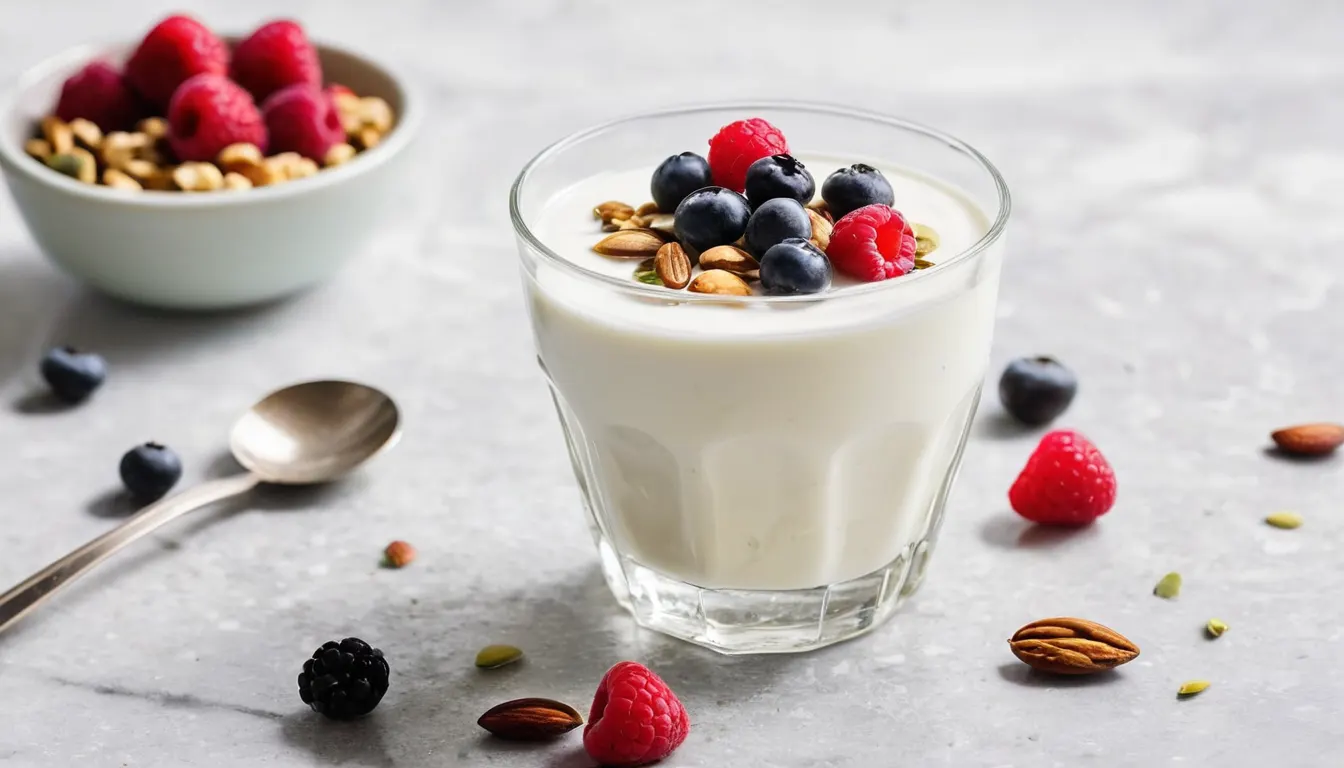
| Flavoured yogurt | Plain yogurt with chopped fruit | You control the sweetness and usually use far less |
| A mid-afternoon fizzy drink | Sparkling water with lime or mint | Keeps the fizz and the ritual, drops the sugar |
That three-column layout is the backbone of this site. Every guide ends up at a practical swap, because a swap is easier to stick to than a ban.
How much is a lot?
The WHO's 2015 guideline recommends keeping free sugars below 10% of daily energy, and suggests that going below 5% brings further benefit. On a 2,000-calorie day, 10% is about 50 g of sugar and 5% is about 25 g. UK advice for adults is no more than 30 g of free sugars a day, and US dietary guidelines set the limit at under 10% of calories from added sugars.
Those numbers are easy to pass without noticing: one regular can of cola can take you most of the way. The cutting-back guide shows how to come down gently.
What we won't tell you
- That cutting sugar will make you lose a set amount of weight. Bodies differ, and we don't make that promise.
- That a particular food will "detox" your skin. Our sugar and skin page sets out what the research does and doesn't show.
- That sweeteners are either perfectly safe or secretly dangerous. The sweeteners guide gives the regulators' positions and where the debate is.
This is general information, not medical advice. If you have diabetes, a history of disordered eating, or you're pregnant, follow your own doctor's or dietitian's guidance before changing how you eat.